
Plants grow towards the light
That’s phototropism!
Etiolation means
Growing long and leggy
Not enough light
Makes them stretch
Darkened room
Not enough light
Plants are clever
They use light to photosynthesise
This poem?
An excuse to use long words!

New paintings and regular art updates.
Plants grow towards the light
That’s phototropism!
Etiolation means
Growing long and leggy
Not enough light
Makes them stretch
Darkened room
Not enough light
Plants are clever
They use light to photosynthesise
This poem?
An excuse to use long words!
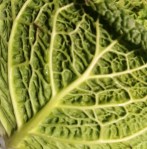
Green leaves are good for you, full of vitamins and minerals…. Don’t over cook them. Cabbages are lovely but they do smell. My hubby says they have mercaptans, a compound with a hydrogen and sulphur compound in them and Di methyl and tri methyl sulphide compounds. Sulphur is one of the essential elements in DNA and RNA, I’m not sure which amino acid it is in but they include Adenine, Guanine, Cytosene, Thiamine in DNA and Urasyl in RNA. (I learned this from my O level biology).
Thinking of school reminds me of school dinners and the cabbage smell from the kitchens! The cabbage was cooked till it was a wet soggy mess… Not hard to chew, but not nice.
Some plants and animals actually live on Sulphur compounds deep in caves and deep in the oceans because there is no light for photosynthesis. They can have anaerobic metabolisms if there is a lack of oxygen. Then the caves they are in can become acidic.
This was part of a discussion with my hubby, he’s the scientist, it’s interesting to talk things through. I do find things fascinating. (if any of this is wrong please tell me in the comments, I am not a scientist).

Rain and wind are buffeting the trees. Slowly the chlorophyll comes out of the leaves and other coloured photosynthesis pigments remain. Xanthaphyl and Ceratines are some of these. They are the pigments that cause yellows and reds. They are the chemicals that transfer energy from sunlight and convert Carbon Dioxide and Water to sugars and Oxygen. The sugars feed the plants and the Oxygen helps supply the air that we breathe. If plants stopped providing Oxygen and sugar we would run out of Oxygen (21% in air) and the food we get from plants. They are essential for life. And if when the Nothern Hemisphere lost leaves in Autumn, the South didn’t have a Springtime we would be in trouble

It took centuries to discover why plants are (usually) green and how they grow and create food from thin air. I was watching a programme about botany last night and there was a long explanation about the science of it.
First people experimented by weighing a plant before and after tending it for five years and finding that although it gained weight it did not affect the soil. Then they tried growing plants but without light, which meant they would not thrive. They realised that they created starch in their leaves, but took time realising they absorbed carbon dioxide and gave out oxygen as a byproduct.
The whole programme was very informative but I wasn’t taking notes. But the idea that humans could understand it and may be able to use the process artificially is amazing. The ability to turn sunlight into fuel would be something that could help humankind.

 Mallaband-Brown